Why Accessibility Matters: Lessons from a First-Term DHA

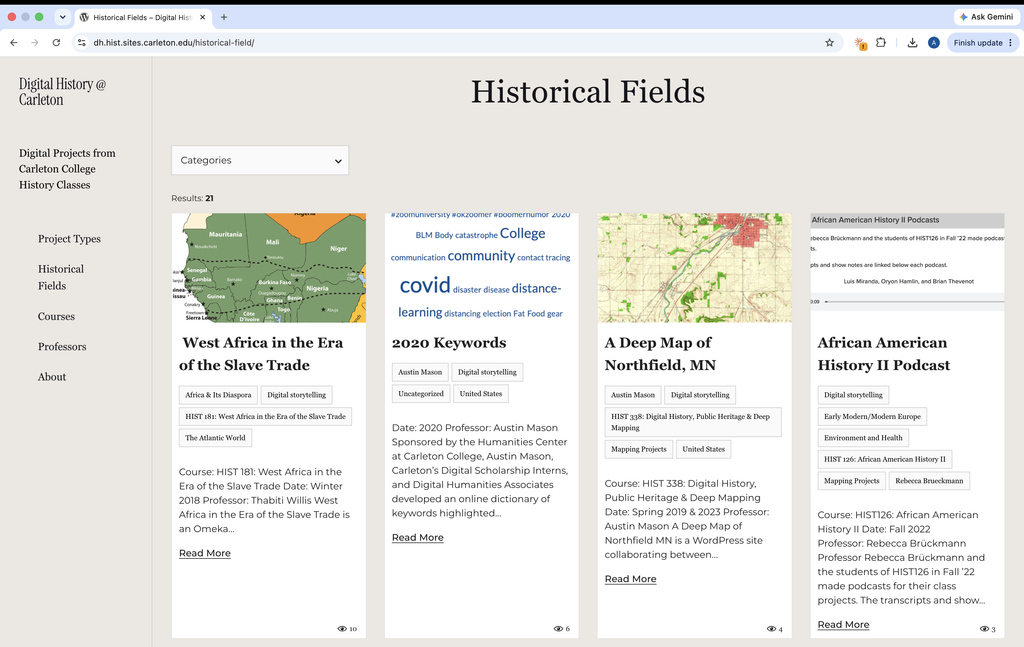
Digital humanities website for the Carleton college history department

During my first term as a Digital Humanities Associate (DHA) at Carleton College, I worked with tools like Omeka and WordPress, mostly structuring, formatting, and migrating data.

My main project was building a website to pull together all the digital projects done by the History Department. Getting the site built was great, but the biggest thing I took away from the term really comes down to one word: accessibility.

Before this job, if I built a website for a class or a personal project, I’d usually get it to a point where I thought, “That looks good enough,” and call it a day. Accessibility never crossed my mind. Early on in my DHA meetings, whenever accessibility came up, I’ll admit I felt a bit of dread, not because I didn’t care, but because I realized how much extra thought and revision it actually takes. It forces you to stop looking at whether a page just looks nice and start asking who can actually use it.

Over the term, that mindset stuck with me. It’s wild how easily a small design flaw can become a massive roadblock for someone else. We’ve all gotten annoyed at a clunky website and just closed the tab. Even at the end of break, while booking tickets for the campus shuttle, I caught myself picking apart the site’s bad interface and spotting accessibility issues. I’ve started noticing the same things on everyday platforms like Moodle and Workday, too. Small oversights waste people’s time and just leave them frustrated, which is exactly how I’ve felt using Workday dozens of times.

When you build a site and know how it works inside and out, it’s hard to see where someone else might get stuck. Working as a DHA has started training my eye to step outside my own perspective, catch those blind spots early, and design with everyone in mind from the start.

At the end of the day, making things for the web only matters if people can actually use them and even the smallest problems can discourage others from doing so. I’m glad my first term at Carleton taught me not just how to spot where a site falls short, but how to fix it myself.

-Aya Yasumoto
Aya Yasumoto – DHA Introduction

Hello, Digital Humanities at Carleton!

Who am I?

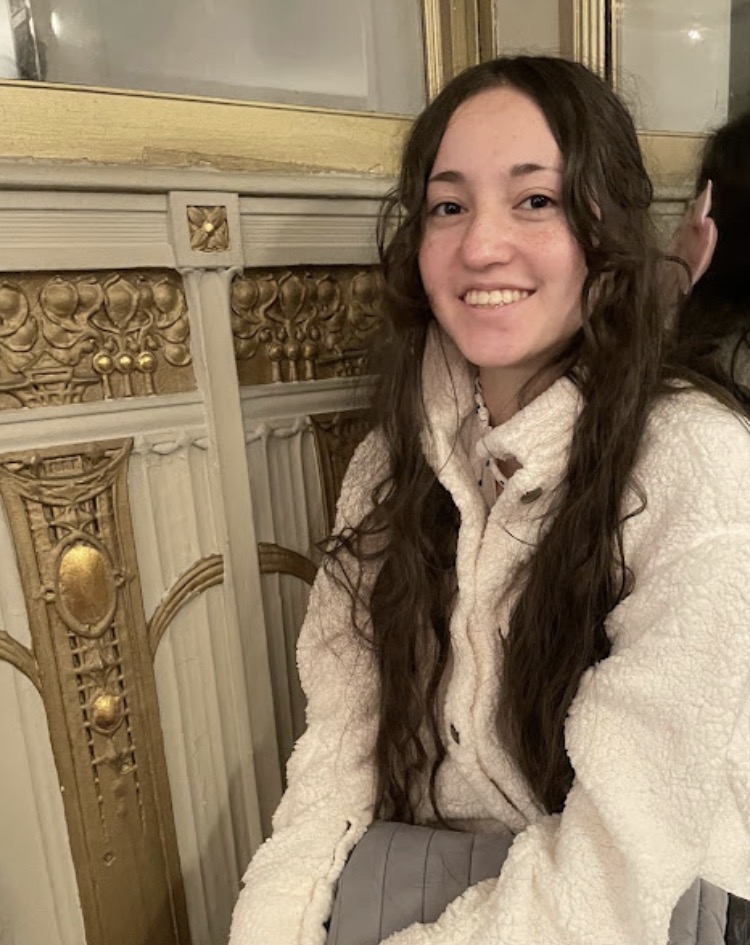
My name is Aya Yasumoto, and I am a freshman at Carleton College planning to major in Political Science.

Growing up, I never viewed myself as a “techy” person, and to be completely honest, I’m still not! Because I was always drawn to humanistic inquiry, younger me frankly never expected digital tools to play a major role in my studies. However, as technology becomes central to every field, I have realized how powerful it can be when intersected with the humanities and social sciences.

This past summer, I interned at a company where I used HyperAgent to build databases of government contract sites, design content qualification workflows, and generate social media content. I also used tools like Descript for video editing and Hubspot for email marketing. That experience opened my eyes to how much efficiency and insight digital tools can unlock, even for someone coming from a traditional humanities background.

I find the process of discovering insights through research tools deeply engaging and am eager to continue building my technical confidence. As a new Digital Humanities Associate, I want to master specialized methods for organizing and visualizing data, learn to select the right digital methodology for different research questions, and build the problem-solving skills needed to support others in navigating digital tools.

I also find Miriam Posner’s approach to digital humanities inspiring, especially her focus on tracing how raw sources are processed and turned into final presentations. Coming from someone wanting to work in political science, what excites me most is looking beneath the hood of digital tools to examine how data gets categorized and structured, and whose power or bias shapes those choices. Unpacking the actual technical process behind data systems reveals how much political influence is embedded in everyday tech, which makes me even more eager to build my technical skills as a DHA this year!

I’m excited to grow as a researcher this year and look forward to collaborating with everyone!