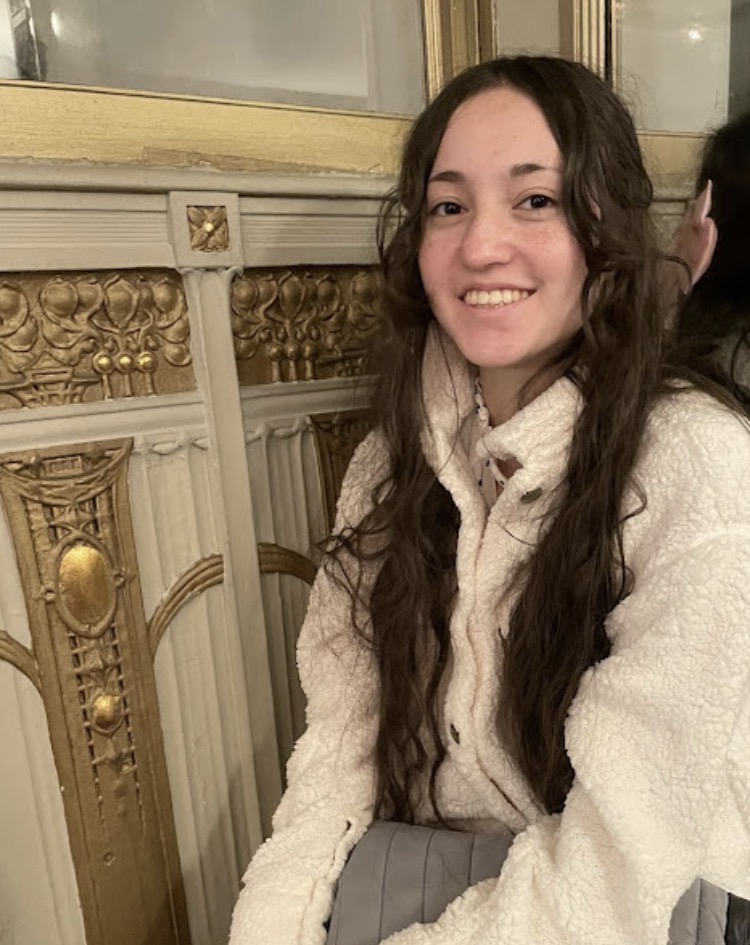
Hi! My name is Nina Wakabayashi (she/they). I was born in Maryland and grew up in Tokyo and Bangkok. I’m currently a sophomore at Carleton College, majoring in Anthropology and Political Science with a minor in Philosophy. Outside the classroom, I love dancing, reading, and traveling.
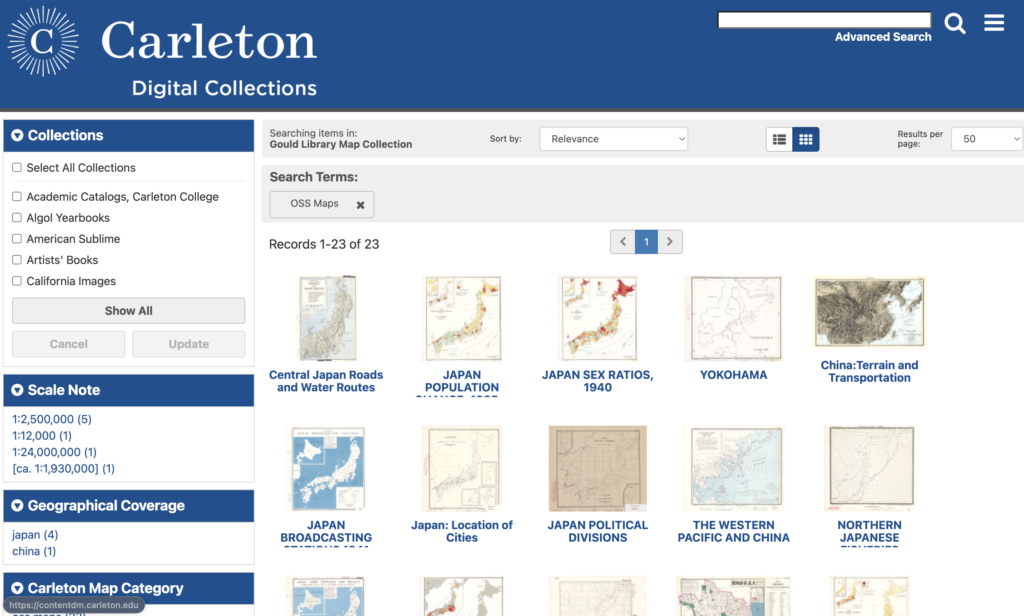
This is my first term working as a Digital Humanities Associate (DHA). My interest in digital humanities began during my freshman winter, when I took Hacking the Humanities with Professor Austin Mason. I was fascinated by the field’s interdisciplinary nature and its commitment to public scholarship, making academic research more accessible and engaging. That curiosity deepened while working as a research partner with Professor Asuka Sango, where I helped analyze World War II–era Japanese military maps (gaihōzu) housed in Carleton’s Gould Library. I transcribed and interpreted the maps’ multiple layers of information, creating a searchable digital index.
As a DHA, I’m excited to explore how digital tools can connect scholarly work with broader publics. I hope to make research more accessible and inclusive while deepening my understanding of what public scholarship can look like in the digital age.
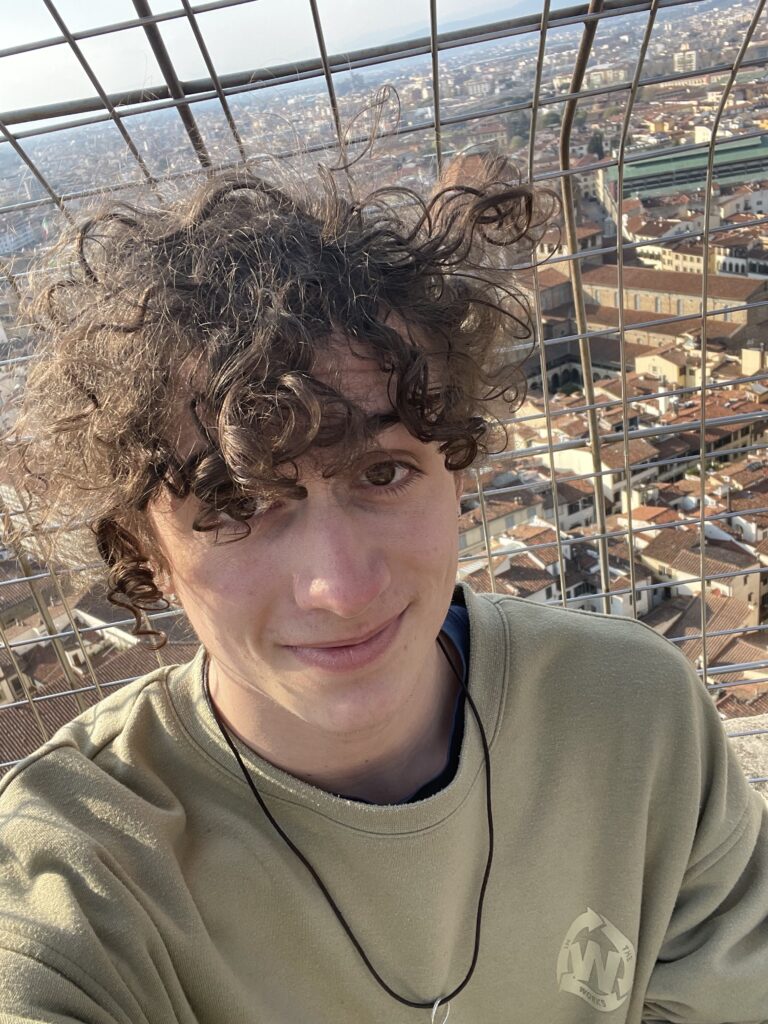
Hello everyone! My name is Zhuokai Yuan, and I am a sophomore from China, planning to major in Physics and Computer Science. Beyond my academics, I’m passionate about playing and watching soccer. I’ve always been drawn to the space where technology and humanistic inquiry meet, which is why I was so excited about the opportunity to become a Digital Humanities Assistant (DHA).
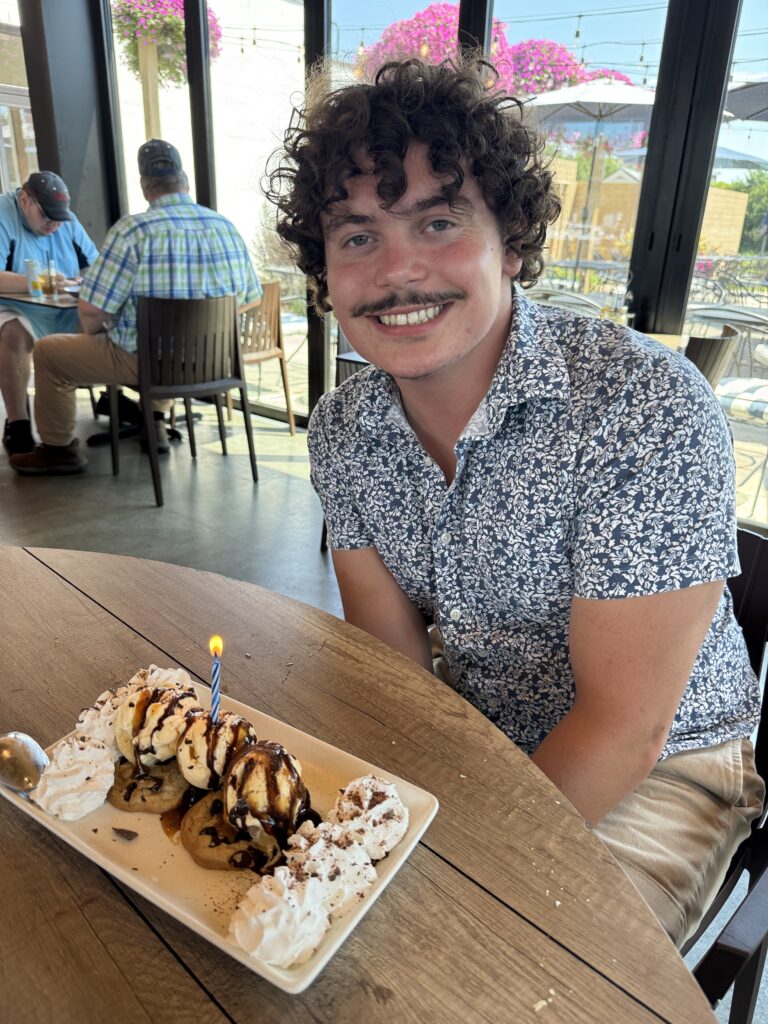
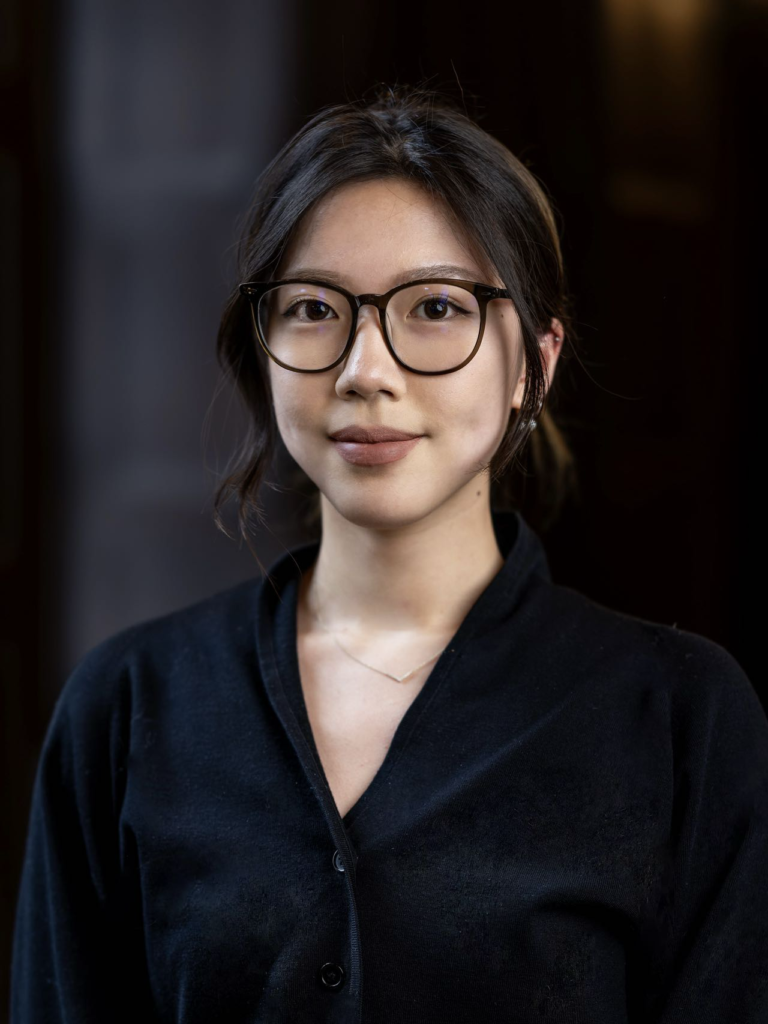
An image of me
I am particularly excited to see how technological tools can help us envision new ways of investigating and presenting discoveries in the humanities. I look forward to learning which technologies are most applicable to humanities research and developing the skills to use them effectively. The training before the beginning of the semester provided tons of valuable insights. As the authors of Data Feminism suggest, the way data is analyzed, presented, and visualized reflects the creators’ own understanding and perspectives. I hope to actively participate in shaping these new visions and am eager to collaborate with other DHAs on our projects.
I’m looking forward to a great semester of learning and contribution to DHA works!
Hello! My name is Aiden Johnson, and I am a Junior Computer Science Major from Rochester, Minnesota. I am involved on campus in many ways. I am the Creative Director and Treasurer of Carleton’s Cowprint Magazine, Outreach Coordinator for Carls with Artistic Taste (CAT), and a member of Carleton’s Swim and Dive Team! (I specialize in the 200 Butterfly).
As someone who is equally interested in Digital Art as I am in Computer Science, being a Digital Humanities Associate was an obvious choice. One thing that was brought to my attention from Miriam Posner’s How Did They Make That? The Video! was how Digital Humanities can transform user understanding of concepts in ways that are much more accessible than traditional print media allows. One such example being the Green Book Digital Humanities project, which included a digital map that made processing the locations in the Green Book much easier to understand. Strengthening my skills in data presentation through Digital Humanities in mediums such as ArcGIS is a big goal for me this year. I hope to assist in making information more accessible as a Digital Humanities Associate this coming school year!
Hi, My name is Emma Zhang (she/her), and I’m from China. I’m a sophomore interested in Cognitive Science and Computer Science. Aside from that, I’m a theater person and been doing relevant work on campus. This is my first term working as a DHA. I really like the interdisciplinary nature of digital humanities and how DH projects tell valuable stories, so I would love to be part of these projects.
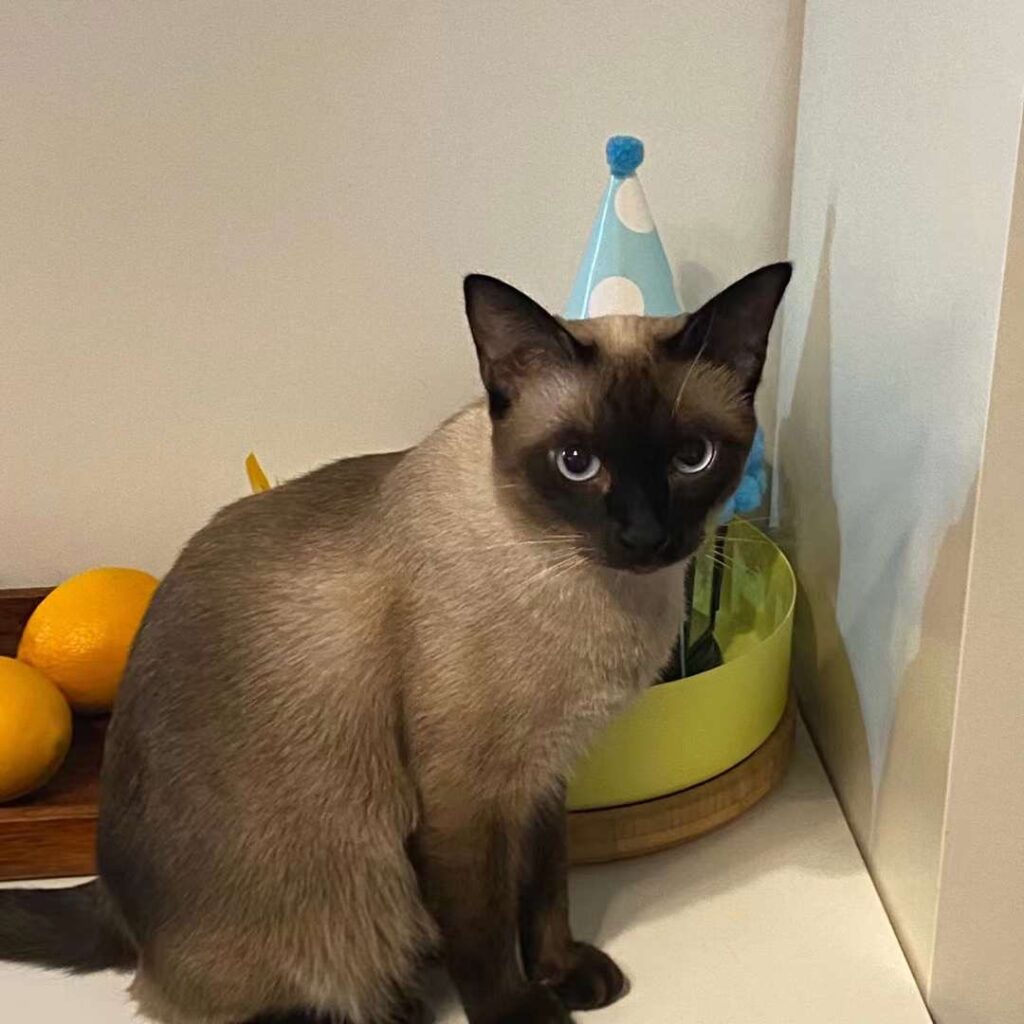
Here’s a picture of my cat chestnut by me, so no cc license 🙂
For me, I value the experience of working with a team of supporting DH professionals, as I get to develop skills both in and out of the field. I also look forward to investigate into ways we present a story to our audience. My main takeaways from the training are the mindsets DH people have. Just like suggested in Data Feminism, data are more than itself — it can be used to convey stories and meanings. I wish to continue learning and applying the creative mindsets to actual project. Also, I would love to be part of a project visible online, and value invisible efforts put into those websites.
I’m very excited to begin my new role as DHA and look forward to contributing to the team. I am ready to learn from everyone and allow my creativity grow.
Hi all, I am Tori (she/her), a senior majoring in Computer Science and Statistics. I have always had a mixture of humanistic inquiries and statistical reasoning on my academic profile, so I was drawn to the DHA position as it is a natural and promising extension to my interests and skillset.
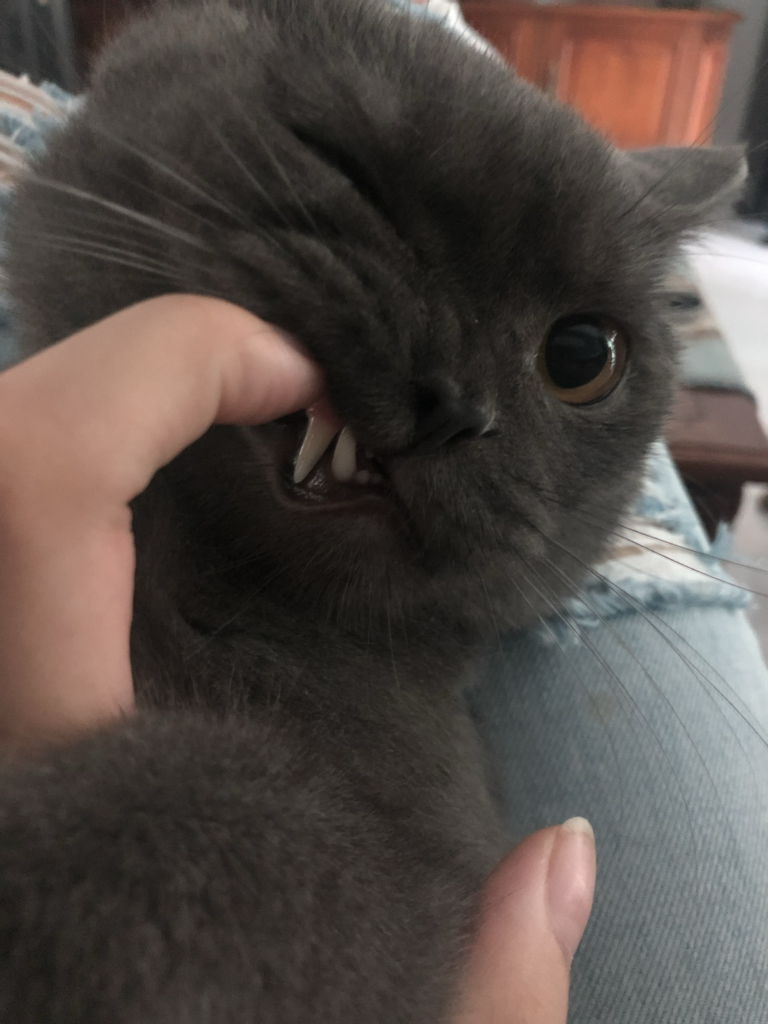
I am also the owner of a very annoying cat and a very friendly dog as shown below.
I am attracted to DHA position because the prospect of marrying technical skills with my passion for the humanities really excites me. The chance to contribute to the entire lifecycle of a digital humanities project promises a lot of fulfillment for me personally. The learning objectives and this enlightening training process furthered my commitment to the role. I am eager to contribute to and learn from this vibrant community of scholars, educators, and students.
From the training, I learned many insightful theories and frameworks, as well as useful tools that will strengthen my abilities as a DHA and beyond. One of which is Linkedin Learning: not only will it enable me to learn a wide varieties of skills, it can qualify and arm my portfolio with certifications.
I am beyond excited to start my journey as a DHA, and thrilled to be surrounded by this group of encouraging and resourceful peers! 🙂
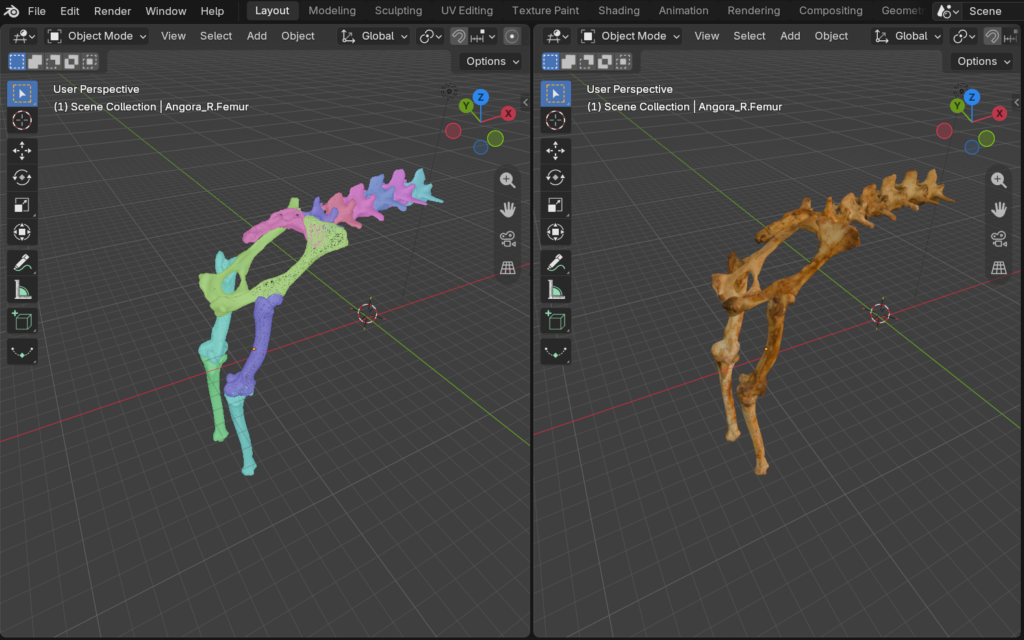
I started this year excited to continue working on CARCAS, an archaeology project about displaying 3D scans of animal bones. I am now graduating, and looking back on the work I have done, I am incredibly proud of the technologies I have learned, the technical documentation I have written, and my growth as a team leader.
This winter, with the addition of the Alpaca skeleton, it became clear that the current systems in place for storing the CARCAS models on the web server were no longer sustainable. There were too many big files, and the method for storing them took up too much additional space.
The transition took a lot of time and effort. I started by researching different tools, eventually settling on Datalad since it has clear, beginner friendly documentation and it can play nice with the web server that CARCAS already used. Figuring out the correct configuration tested my patience. My early attempts at making the models downloadable caused a nasty little bug that prevented the correct method from working. I tried troubleshooting on the Datalad forum, but even experienced users couldn’t figure out how to fix it. I finally started over from scratch, and everything worked like a charm.
Dealing with this bug, and solving it by starting from scratch, reinforced that failing is part of the learning process. The second time around, everything went a lot smoother because I understood how all the pieces fit together. And, I was able to write down what I was doing because I wasn’t overwhelmed with learning new things.
Once the new system was in place, my supervisors emphasized that I needed to write instructions so that future DHAs could learn how to use it. After all, a system for collaboration and backups is useless if no one knows how to use it. I thought this would be relatively straightforward. After all, I knew how to use the system and I didn’t have comprehensive notes of my own.
I discovered that I had learned a lot through experimenting with Datalad and the new CARCAS system, and that it was not immediately obvious to others what to do. I collaborated with Noah Zameer Lee, another DHA. He had completed the Datalad tutorial like I had, but he had been working on other projects while I set up the new system. When I was sitting right next to him, I could guide him through using the system, but there was a lot that was not clear, even to someone familiar with the software.
I wrote a few different sets of instructions and documentation for different use cases. I focused especially on first time set up, routine tasks, and where to learn more to deeply understand the tools. These were the areas that overwhelmed me when I first started working on CARCAS. First time set up and routine tasks look easy when you have done them before, but when you are just getting started, there’s nothing for your brain to latch on to.
Also, towards the end of making it easy for a future DHA to get started, I hosted a recorded Zoom meeting with my supervisors and coworkers where I demonstrated what it looks like to follow my instructions and start making changes. I deliberately chose to record this video from a new account on my computer so that I would have to show the set up.
Recording this walk through was also incredibly helpful for me. I discovered tasks that I had forgotten to write about because they had become second nature, and I discovered sections of my documentation that were too cluttered and difficult to reference. Just as revising is helpful when writing an essay or a blog post, I learned that it is also an essential step of writing technical documentation.
Working on CARCAS’s back-end transition has taught me a lot about working as a team leader. I made impactful decisions, like when I decided that Datalad was the best tool for CARCAS. I had to reassess and choose whether or not to stand by my decisions, like when I spent weeks looking for the bug in my first attempt at using Datalad. I needed strong communication throughout the whole process. I explained to my supervisors what I was doing and why, without getting into the technical weeds. I taught Noah how to use the system I set up, and I helped him figure out how it fit in with his piece of the project. I created documentation and a video for future DHAs, in hopes that I could pass on my knowledge.
I have had a wonderful time working on CARCAS this year. As I go off into the world after Carleton, I can’t wait to look back and see how CARCAS keeps on growing!
As a Digital Humanities Associate (DHA) this year, my work on the Mapping Japan project has been incredibly rewarding. This exciting initiative is a collaborative effort between multiple departments and the Gould Library at Carleton College, led by Professor Asuka Sango from the Religion and Asian Studies departments. Initially developed during the Institute for Liberal Arts Digital Scholarship (iLiADS) last summer at Davidson College, our goal is to digitize Carleton’s rich Japanese map collections and build an Omeka S site to host them. This site and the sample items will serve as valuable resources for a course (ASST 285: Mapping Japan, the Real and the Imagined) next spring.
Our Collections
Our collections include Gaihōzu maps, produced by Imperial Japan in the late 19th and early 20th centuries, which were captured by Allied forces at the end of World War II and distributed to various libraries in the U.S. Carleton has approximately 1,280 sheets of Gaihōzu. There are also Naihōzu maps, which are maps of Japan and its overseas territories, also produced by Imperial Japan and captured by Allied forces. We are currently organizing this collection, which likely includes several hundred sheets. Additionally, our collection holds 70 sheets of maps of Japan created by the Office of Strategic Services (former CIA) during and shortly after World War II, as well as 8 sheets of premodern Japanese maps, with plans to acquire more.
My Role in the Project
My contributions to the Mapping Japan project have been multifaceted.
Metadata Template Creation
We decided to create two separate Omeka sites: one for general purposes and another for student exhibits next year. For our metadata template, we chose Dublin Core due to its widespread acceptance and standardization in metadata practices. Key fields in our template include titles (in English and Japanese), descriptions, call number, creators and contributors, genres, dates, and places shown.
Creating the metadata template was a thoughtful process that involved iterative discussions to identify the most critical properties of the maps. We examined how institutions like the Stanford University Libraries present their Gaihōzu maps and incorporated feedback from Professor Sango on how the template could serve as a gradable assignment in her upcoming class. We debated details such as whether to record B&W/color distinctions and which field to use for physical dimensions. Additionally, we considered the best media for showcasing the digitized maps, evaluating options such as IIIF, the default Omeka settings, or the published Google Drive images.
Creating Sample Site Structures and Wireframes
Designing the website structure was another fascinating part of my work. We analyzed exemplary Omeka S sites, especially those showcasing maps, to learn from their navigation bars, search functions, and more. As a statistics major, I was particularly interested in the data visualization aspect– how to best present all types of data, whether textual, visual, or numerical, in the most accessible way. Collaborating with my colleague, DHA Tonushree, we created engaging slides and pitches for the entire team.
Current Landing Page
Developing the Timeline Showcase
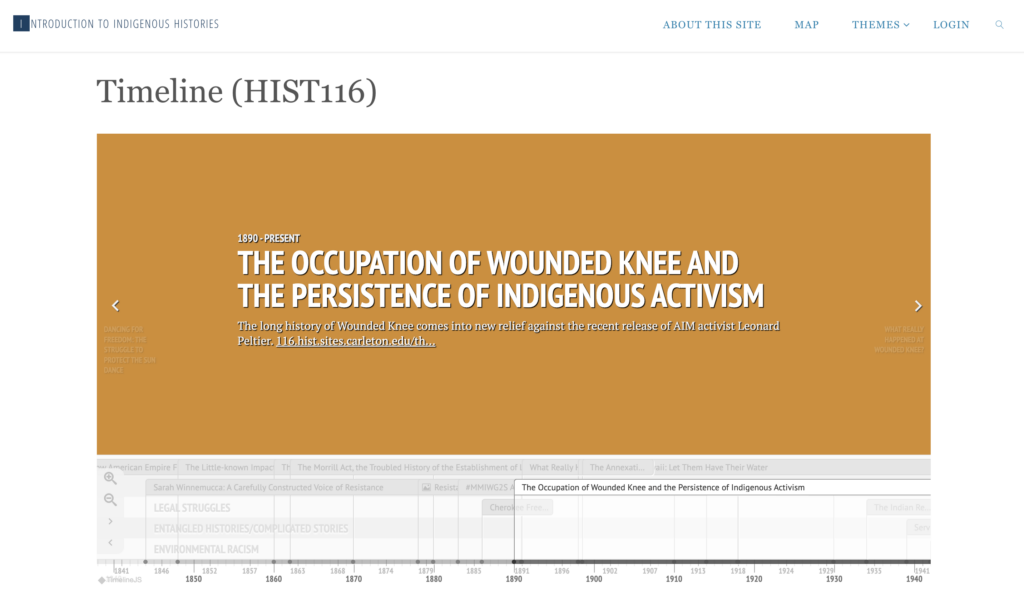
Another significant task was creating a sample timeline object to embed on the site. This timeline showcases maps from different periods, from the Meiji era to post-World War II. After exploring various options, we decided to use TimelineJS, which allows us to customize and embed images and descriptions seamlessly. The timeline offers a compelling historical perspective, and we aim to include a wide range of maps beyond just military and topographical ones, such as those depicting spring areas in Japan.
Sample Timeline
Writing Instructions for Students
I also authored instructions for students who will create items and exhibits for the site next year. This involved finding examples of how to upload images, appropriate citation formats, and what to include in descriptions. This experience required continuous learning, particularly about different types of rights statements and the reuse of historical archives and images.
Instructions for the “Creator/Agency” Metadata Field
Why This Project Matters
The Mapping Japan project is more than just an academic exercise; it is an effort to diversify Carleton’s curriculum and highlight non-Western items in our library’s Special Collections. By digitizing, annotating, and publicizing these Japanese maps, we aim to create a rich, accessible online exhibit that will serve both current and future students. This project not only preserves historical artifacts but also provides valuable educational resources and opportunities for hands-on digital humanities work.
Conclusion
The Mapping Japan project has been a highlight of my year as a DHA. It has offered me the chance to collaborate with talented individuals, learn new skills, and contribute to a meaningful initiative. As we move forward, I am excited to see how this project will continue to grow and impact both the Carleton community and the broader field of digital humanities.
Hello! I joined the DHAs in January of this year and over the past 5 months, I have learned so much and gotten much-needed experience working in a professional setting where more was expected of me. This has been a great experience and I am glad I got to do it with such nice people. There were a ton of things I learned with the DHAs and a lot I know I can grow from.
Firstly, learning how to communicate formally and do that well. Never in my prior work experiences did I have to connect with professors and other students. While it may be intuitive for others, I found it challenging to send formal emails and also follow up with them and keep communication strong. I got to teach a class of mostly seniors WordPress when I had only started learning how to use it a few months prior. I was extremely nervous, and although I personally thought I could have done better, according to Em I did a good job. I also learned how to communicate with my coworkers too. Throughout my time here, I worked on projects mainly with other DHAs or on projects overseen by my supervisors. I learned to ask questions whenever I got stuck instead of trying to overcome it stubbornly and to continuously check in with my team members – particularly when it came to working on the CARCAS project. The CARCAS project was what I spent most of my time working on with Erin and centered around uploading and maintaining 3D scans of various carcasses on the CARCAS website.
Screenshot of the poster-script I wrote for CARCAS using Node.js and Puppeteer running locally.
Another skill I got from working with the DHAs was how to learn new technologies quickly. Git, Conda Environments, Node Scripts, Puppeteer, DataLad, Model-Viewer and WordPress are just some of the technologies I had to learn on the fly while working with the DHAs. At first, I had a lot of trouble reading documentation, and trying to learn so many new technologies and applying them on such large projects like CARCAS. However, I got much better at it, and in my other classes like CS 347, I start to realize that part of being a great Computer Scientist is being able to learn new technologies quickly – as technology is always advancing. The skill of learning new technologies is definitely not something I have mastered yet – particularly with reading large volumes of documentation – but is something I definitely can say that I got better at; and being with the DHAs definitely made me realize the importance of it.
Finally, another skill that I can say I learned is how to manage time effectively. The work with the DHAs was very independent. We would choose a task and it was up to us to take the necessary steps to get the task done. Em or Austin never would remind me to do something at a certain time, it would all be on me. This requires a lot of self-control and responsibility to make sure I send the emails to the right people on time or take the necessary steps to get the poster script on the server by a certain date. I also had to balence working with the DHAs while taking up a lot of high level classes this term. I had to learn to say I was too busy when offered a task – which was something I used to find difficult – especially at the start of my time here where I would accept any and all tasks presented to me.
Unfortunately, with the swim season starting again next fall and me taking even more difficult classes next term, I will be making the apt decision to step back from the DHAs for the time being as I focus on my academics and the swim season. Being a DHA has been a wonderful experience that I will forever be grateful for as my first comprehensive work experience and I look forward to working with the DHAs in the future.
In previous blogs, I have discussed how Gale Digital Scholar Lab (GDSL) can be utilized to create datasets and subsequently conduct various analyses on them. Recently, a comparable online ‘data lab’ has emerged as a contender: JSTOR’s Constellate. Much like GDSL, Constellate is an online platform, developed by JSTOR, designed to support digital scholarship by providing tools for text and data mining across a broad range of academic content. Researchers, data scientists, and advanced students can utilize Constellate to analyze and explore diverse datasets, conduct advanced text analysis, and gain insights from academic texts. The platform offers a suite of tools for tasks like clustering, n-grams, and topic modeling, and integrates with Jupyter Notebooks for users who prefer coding in Python or R.
In this blog, I intend to explore the distinctions between Constellate and GDSL, highlighting how each platform may be better suited for different purposes. I will assess them based on various criteria, including the quality of the database, access to full-text content, user-friendliness, and flexibility.
1. Quality of Database:
Both tools provide researchers with access to a database containing a wealth of materials. In the case of GDSL, this database comprises a diverse array of, in many cases, public domain content, ranging from historical newspapers and magazines to flyers and other ephemera. It is worth noting that the Gale database includes more academic sources alongside its ‘non-academic materials’. This incorporation of academic works into its database creates a blend of both academic and non-academic materials. This rich variety of content makes GDSL’s database an extensive resource for researchers seeking a broad spectrum of information for their analyses and studies.
Constellate employs the formidable database of JSTOR, esteemed for its comprehensive coverage of academic journals and papers across numerous disciplines, with particular strength in the humanities. This expansive repository offers researchers access to a wealth of scholarly literature, providing authoritative sources and profound insights for academic inquiries in fields ranging from history and literature to sociology and anthropology. While Constellate’s focus on academic content may mean it features fewer non-academic sources compared to GDSL, its emphasis on scholarly rigor and depth of coverage makes it an indispensable tool for researchers seeking to explore and analyze academic research, especially in the humanities.
Researchers seeking a combination of academic and non-academic content can benefit from using Gale Digital Scholar Lab (GDSL), which provides access to a diverse range of materials including historical newspapers, magazines, and other non-academic sources alongside academic works. On the other hand, for those focused solely on scholarly content, Constellate, with its extensive collection of academic journals and papers sourced from JSTOR, serves as an excellent resource. By understanding their specific research needs and preferences, researchers can choose the platform that best aligns with their objectives and maximizes the efficiency and effectiveness of their research endeavors.
2. Full-text Access:
While both Gale Digital Scholar Lab (GDSL) and Constellate offer general access to their respective databases, a notable distinction lies in their policies regarding full-text access. GDSL grants users unrestricted access to the full text of the content within its database, enabling researchers to delve deeply into the materials and conduct thorough analyses without constraints. This unrestricted access is particularly advantageous for users who require comprehensive access to the entirety of the available dataset for their research endeavors.
In contrast, Constellate adopts a different approach regarding full-text access. While users have general access to the datasets generated by Constellate, including metadata and select text snippets, full access to the complete text may not be readily available. Instead, researchers interested in accessing the full text of the datasets need to submit a special request. This additional step is likely implemented to adhere to copyright regulations and licensing agreements, especially concerning the academic content sourced from JSTOR. Consequently, Constellate’s approach to full-text access may involve a more structured process, potentially requiring users to navigate copyright considerations before gaining complete access to the textual content.
This disparity in full-text access reflects the differing compositions of the databases maintained by GDSL and Constellate. GDSL benefits from a substantial amount of public domain content, contributing to its ability to provide unrestricted access to the full text of the materials. On the other hand, Constellate’s database primarily comprises academic content sourced from JSTOR, necessitating careful consideration of copyright and licensing restrictions. A researcher must keep this key difference into account when making any decision about which tool to use.
3. User-friendliness:
Gale Digital Scholar Lab (GDSL) distinguishes itself with its abundance of automatic features and user-friendly interface, catering to researchers who prioritize ease of use and efficiency in their digital scholarship endeavors. GDSL’s suite of automatic features streamlines various aspects of text analysis, from data preprocessing to visualization, minimizing the need for manual intervention and technical expertise. This automated approach empowers researchers to focus on their analyses and interpretations without being bogged down by the intricacies of the tool itself. Additionally, GDSL’s intuitive interface further enhances user experience, making it accessible even to those with limited technical background or experience in digital scholarship.
In contrast, Constellate, with its reliance on programming and integration with tools like Jupyter Notebooks, presents a more complex environment suited for users comfortable with coding and advanced analytical techniques. While Constellate offers unparalleled flexibility and customization options through its programming capabilities, including the ability to write and execute code in Python and R, it may pose a steeper learning curve for researchers less familiar with programming languages or text analysis methodologies. However, for users proficient in coding and seeking sophisticated analytical capabilities, Constellate’s complexity provides a powerful platform for conducting advanced research and exploring complex datasets in depth.
Ultimately, the choice between GDSL and Constellate depends on the specific needs and preferences of researchers, as well as their level of technical expertise and familiarity with digital scholarship tools. GDSL’s automatic features and user-friendly interface make it an excellent choice for researchers prioritizing ease of use and efficiency, while Constellate’s advanced capabilities cater to users seeking greater flexibility and customization in their text analysis workflows, albeit with a higher degree of complexity.
4. Flexibility:
Constellate offers researchers significantly higher flexibility through its integration with programming environments like Jupyter Notebooks, empowering users to customize their analyses to suit their specific research needs. The ability to write and execute code in languages such as Python and R provides researchers with unparalleled control over their analytical processes, enabling them to implement advanced algorithms, develop bespoke visualizations, and explore complex datasets with precision and depth.
Moreover, Constellate facilitates transparency and reproducibility in research by allowing users to document and share the exact data or textual analyses performed within the platform. Researchers can provide detailed explanations of their methodologies, including the specific code used for data manipulation, analysis, and visualization, thereby enhancing the integrity and reliability of their findings. Additionally, Constellate enables users to share datasets fully, promoting collaboration and facilitating the replication of analyses by other researchers.
In contrast, while Gale Digital Scholar Lab (GDSL) offers a user-friendly environment for text analysis, its capabilities for customization and sharing are more limited compared to Constellate. GDSL’s focus on providing pre-built tools and workflows may constrain researchers who require greater flexibility or wish to document and share their analyses comprehensively. As a result, researchers seeking maximum control over their analytical processes, along with transparency and reproducibility in their research, may find Constellate to be the preferred platform.
Conclusion:
In conclusion, Gale Digital Scholar Lab (GDSL) and Constellate each offer unique strengths and cater to distinct user needs within the realm of digital scholarship. GDSL stands out as an excellent tool for beginners and researchers seeking to explore historical newspapers and other non-academic sources with ease. Its user-friendly interface and pre-built tools make it accessible to those new to digital scholarship, while also providing valuable resources for uncovering insights from diverse materials. On the other hand, Constellate emerges as a powerful platform tailored for users interested in humanities research and academic scholarship. With its integration of JSTOR’s extensive academic database and support for programming, Constellate provides unparalleled flexibility and depth for conducting advanced textual analyses and exploring scholarly literature. Researchers seeking to delve deeply into academic research and enhance transparency and reproducibility in their work will find Constellate to be an invaluable resource. Ultimately, the choice between GDSL and Constellate depends on the specific objectives and preferences of the researcher, with both platforms offering valuable tools and resources to support digital scholarship in their respective domains.
Hi all, I’m Will Shrestha! I’m from Saint Paul, Minnesota. I’m a senior Computer Science major and Digital Arts and Humanities minor. I worked as a TA for Hacking the Humanities fall and winter terms of the 2023-2024 academic year. Spring 2024 was my first term working as a Digital Humanities Associate after I heard about the job from Austin Mason, the director of the Digital Arts and Humanities department. I got a lot of experience working with a team of faculty and students in a professional setting and learned more about the intersections between computer science and the humanities. This year, I’m hoping to become proficient in at least one new software/tool that will help me in my projects. I’m also hoping to be able to help students learn more about the Digital Arts and Humanities minor as its Student Departmental Advisor.
Some other academic interests I have are music and psychology. I take saxophone lessons here at Carleton and occasionally arrange sheet music for piano on the music composition software, MuseScore. Recently, I’ve been learning more about social psychology in my free time. I’m currently reading Nudge by Richard H. Thaler which is a really interesting book about how choice architecture alters people’s behavior in predictable ways.
My main extracurricular at Carleton is being a member of the Karls, our club level men’s ultimate frisbee team. I play as a D-line handler. I am also member of MOSAIC (Mosaic of South Asian Interests at Carleton), Mixed Club, and Club Tennis.
Some hobbies of mine outside of Carleton are spending time with my pets and playing video games with my friends. I have two dogs and two cats (one cat, Scoop, is living on campus with me as an ESA). Two of my current favorite video games are World of Warcraft and Deadlock. Two of my all-time favorites are Stardew Valley and Minecraft.
Here’s a picture of Scoop in my dorm during junior year!